What to Wear in Alaska in Winter: Complete Packing List (From Someone Who Lived There!)
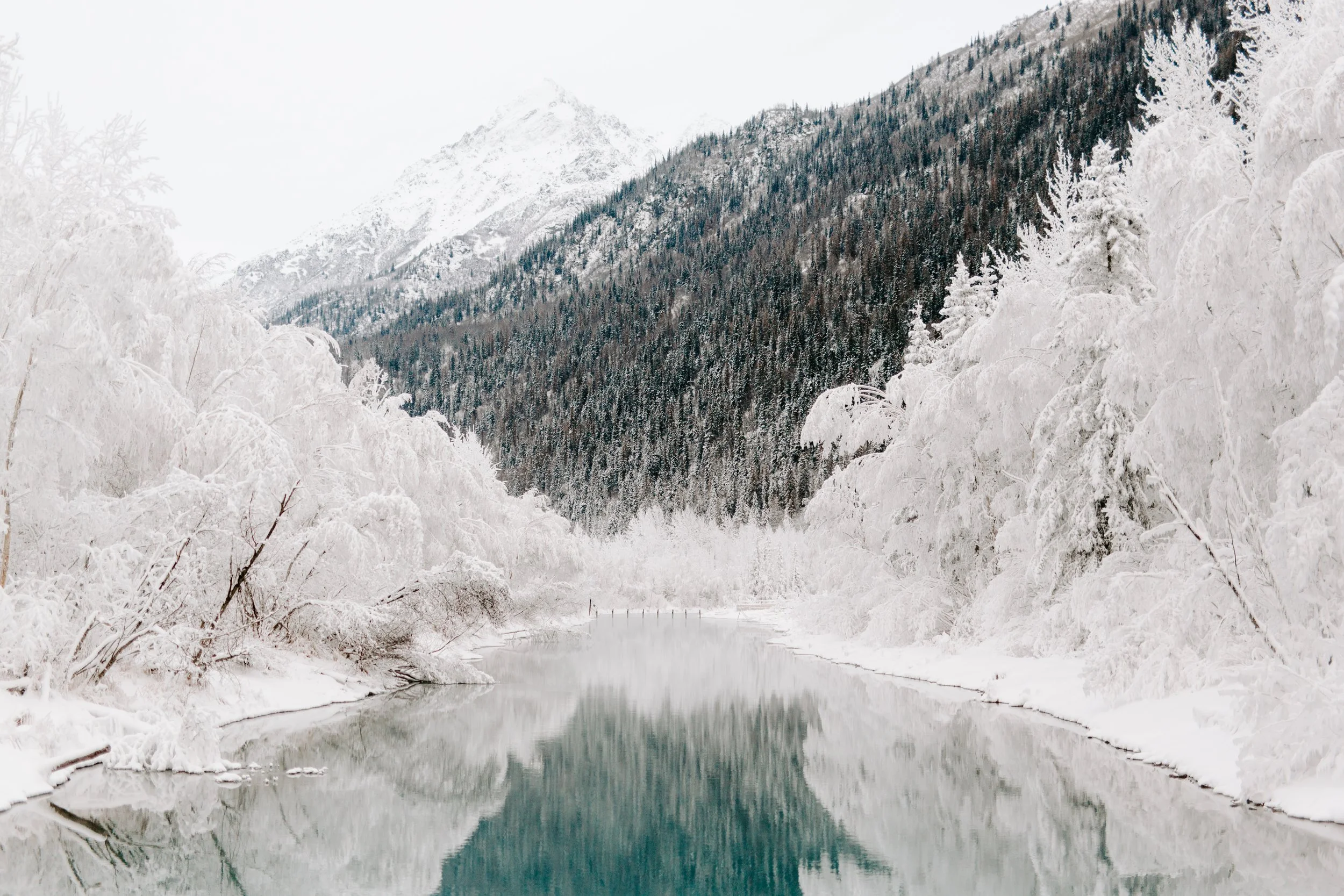
There’s packing for a winter trip, and then there’s packing for a winter trip to Alaska…
Okay, maybe that’s a bit dramatic. In reality, your Alaska winter packing list shouldn’t be all that daunting. The main thing to remember for any cold weather destination is layers, layers, layers - and a trip to the Last Frontier is no different!
If you’re wondering what to wear in Alaska in winter, then this guide has you covered. I lived in the Anchorage area for years and traveled all around the state even during the coldest winter months. Pulling from that experience, I’ve compiled a tried-and-tested list of must-have clothing items, as well as “nice to have” accessories and gear items that you can use as your ultimate Alaska winter packing list. This is truly everything I would recommend to a friend before their first cold weather visit. Let’s get into it!
Table of Contents:
Introduction
Alaska Winter Packing List
Clothing Layers
Footwear & Accessories
Other Gear
FAQ
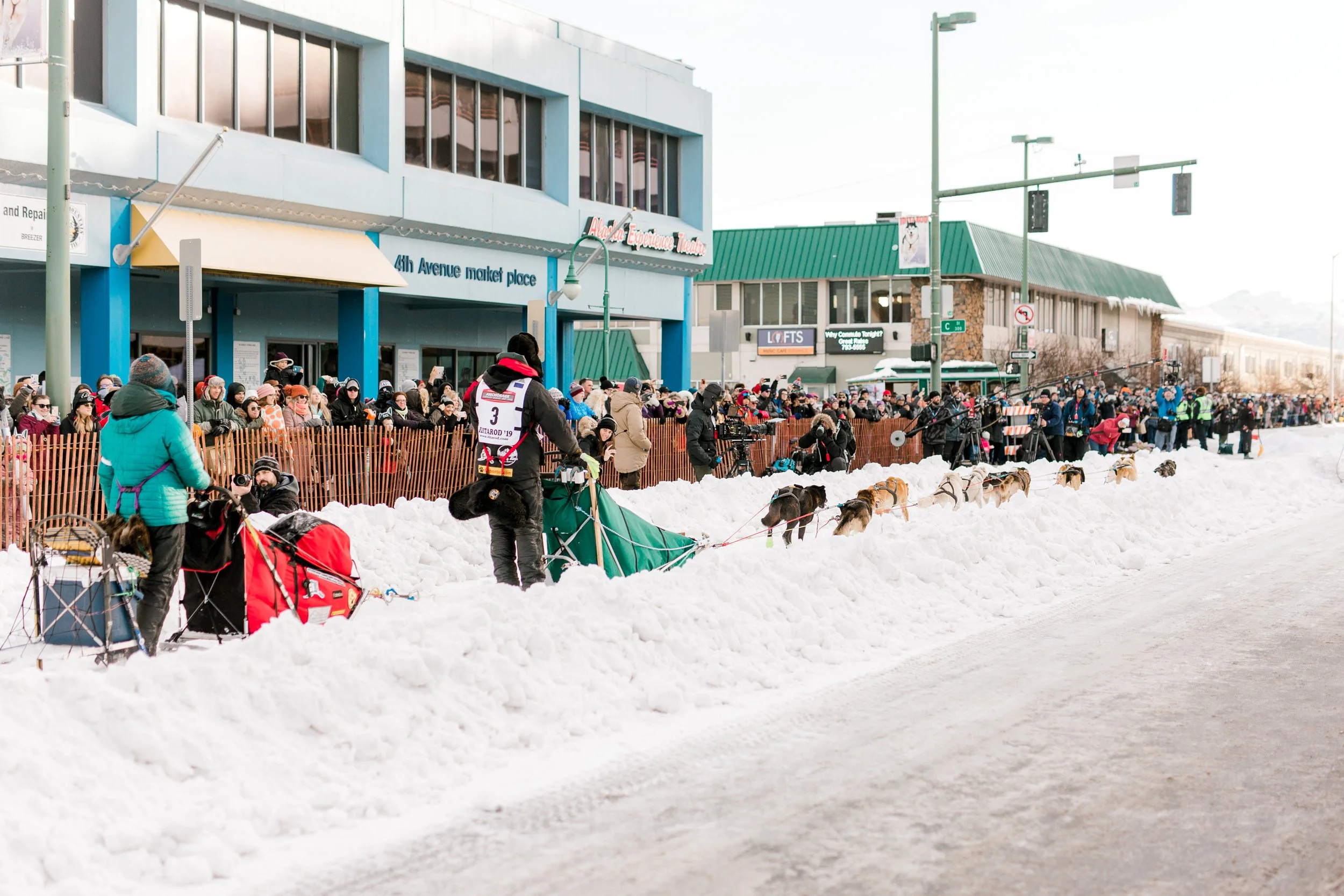
Watching the (extremely cold!) Iditarod start in downtown Anchorage
Alaska Winter Packing List
Clothing Layers
1. Base Layers
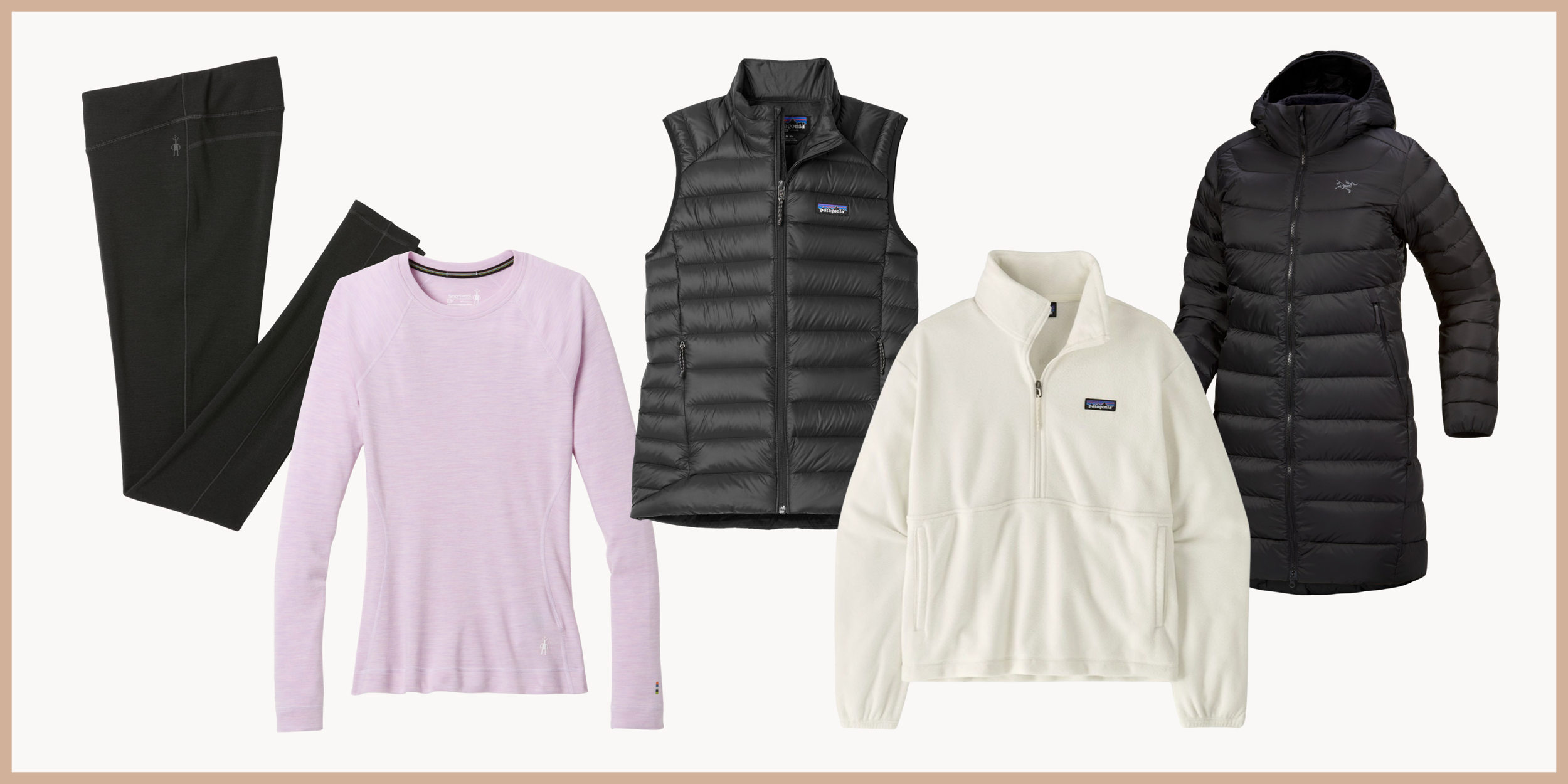
The standard for base layers is moisture-wicking long underwear tops (like this Smartwool ¼ zip or Smartwool thermal) and bottoms (also Smartwool) made of merino wool or synthetic fibers. Avoid cotton at all costs! Those Smartwool pieces are the classic options and will pair well with most other layers, but I also personally love a bright and fun base layer like these from Kari Traa.
2. Mid Layers
You have quite a few options for this! Fleece jackets, wool sweaters, or down vests are the norm to trap heat over your base layer. I’m a big fan of fleeces as a mid-layer (scratch that, it’s a full-blown obsession) because you can pop off your heavy coat when it’s too warm and still be completely cozy. This Patagonia fleece is not too heavy, or this North Face fleece is a lot thicker. I also have this Patagonia down vest that has become a cold weather wardrobe staple, and would highly recommend it.
3. Outer Layers
A windproof and waterproof hardshell jacket (like a ski jacket) and multi-purpose snow pants (those are my personal favorites, or this REI brand version is nice and slightly less pricey) are best for blocking snow and wind during your adventurous outdoor excursions. These aren't necessarily everyday outerwear though, so packing them will really depend on your planned activities (skiing, dogsledding, snowmachining, glacier trekking, things like that). If you’re keeping it more casual on your trip, a heavy winter parka (see below) and regular pants over your base layer bottoms / fleece-lined pants will do just fine.
4. Heavy Winter Parka
The holy grail item. A long, down-filled parka with a hood (I like this Patagonia coat, or this slightly heavier Arc'Teryx coat) that goes past your hips or to your knees is the ideal choice. I could not live without mine, after years of arguing that the extra length on a puffy coat would make no difference (it really, really does!).
Footwear & Accessories
5. Insulated Winter Boots
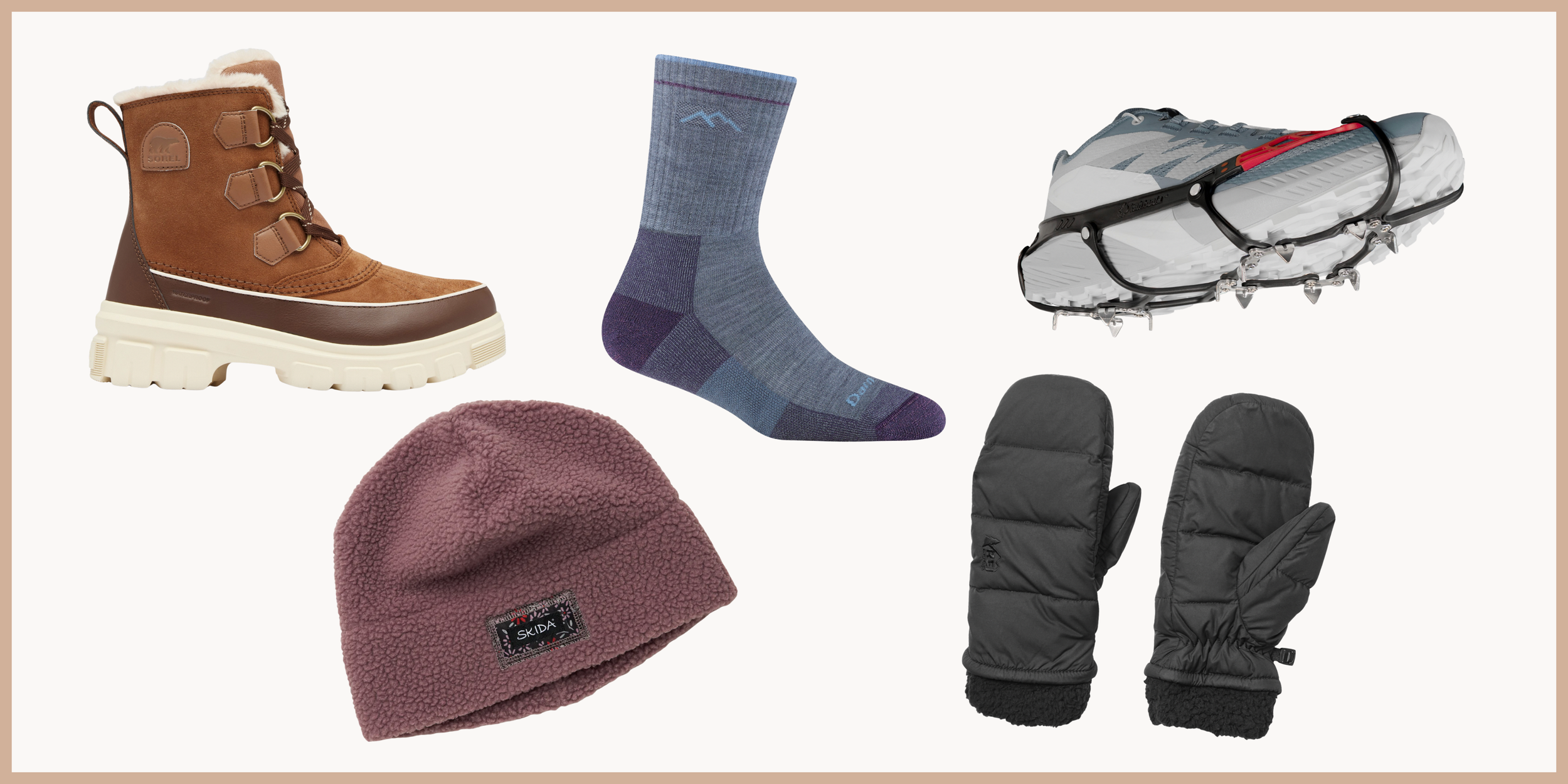
Bring waterproof winter boots that are comfy enough to adventure in, or simply wear around town if needed. My tried-and-true favorite pair is from Danner which they sadly don’t even make anymore, but I know a lot of people really love pairs like these from Sorel or something like this lower height style from Columbia. You could also opt for a hiking-specific pair like these from Merrell.
6. Everyday Boots
Honestly, heavy duty insulated winter boots are not needed for casual daily wear here in Alaska. If you have the space in your luggage, I would recommend packing a pair of Blundstones as well. Since they’re water-resistent and super comfy (and they go with everything!), these make the perfect daily shoe for low-key days in Alaska. You could also go with a classic pair of XtraTuf boots, which are lovingly referred to as the “Alaskan sneaker.” You will see them everywhere all year round in Alaska.
7. Socks
Merino wool socks and merino wool socks only. Multiple pairs of them so you always have dry options! I own these Darn Tough socks in no less than 7 color combos, and they’ve all lasted for nearly a decade. Some people also recommend pairing these with thermal sock liners - I personally have never done this, but I can see how it might be useful if you’re going into extremely cold temperatures (i.e. way up in Fairbanks and above). When in doubt, just opt for the regular merino wool socks and you’ll be golden.
8. Mittens (and Gloves)
Thick mittens are absolutely the move above all else - they truly do keep your hands warmer than solely wearing gloves. If you’re a photographer like me, the touchscreen liner gloves are nice to have as either a backup pair or another added layer because you’ll often be popping your mittens off to use your camera. With these, your bare fingers won’t be exposed in the process!
9. Head and Neck Coverage
At the bare minimum, a warm fleece beanie or merino wool beanie that covers your ears. A cozy fleece-lined headband is also useful, but definitely secondary to the beanie. Also, a balaclava or neckwarmer to protect your face from high winds and blustery snow is always the right move.
10. Traction Cleats (Micro-Spikes)
Slip-on micro-spikes for your boots are so incredibly useful, even in towns - because yes, even the main roads get extremely icy. Micro-spikes are the more “aggressive” version (with literal spikes on the bottom) which I would recommend using specifically on outdoor adventure excursions. For everyday use, YakTrax are a really good option to have on you at all times. I used to have a pair of Xtratufs that were permanently fitted with YakTrax on the bottom for our neighborhood dog walks (hah!) - only in Alaska.
11. Hand and Toe Warmers
Classic hand warmers or rechargeable hand warmers are my own personal can’t-live-without item in Alaska. If you’re standing around for a long time (like watching the Iditarod or waiting for the northern lights to appear) you’ll absolutely want the extra warmth. Toe warmers are really nice to have, too. Admittedly I find them a smidge uncomfortable inside my shoes, but hey, it’s a trade-off I’d willingly make if the weather is insanely cold.
12. Snow Gaiters
Again, not really a necessity, but these snow gaiters are just nice to have if you’re planning on trekking into any deep snow.
Other Gear
13. Headlamp
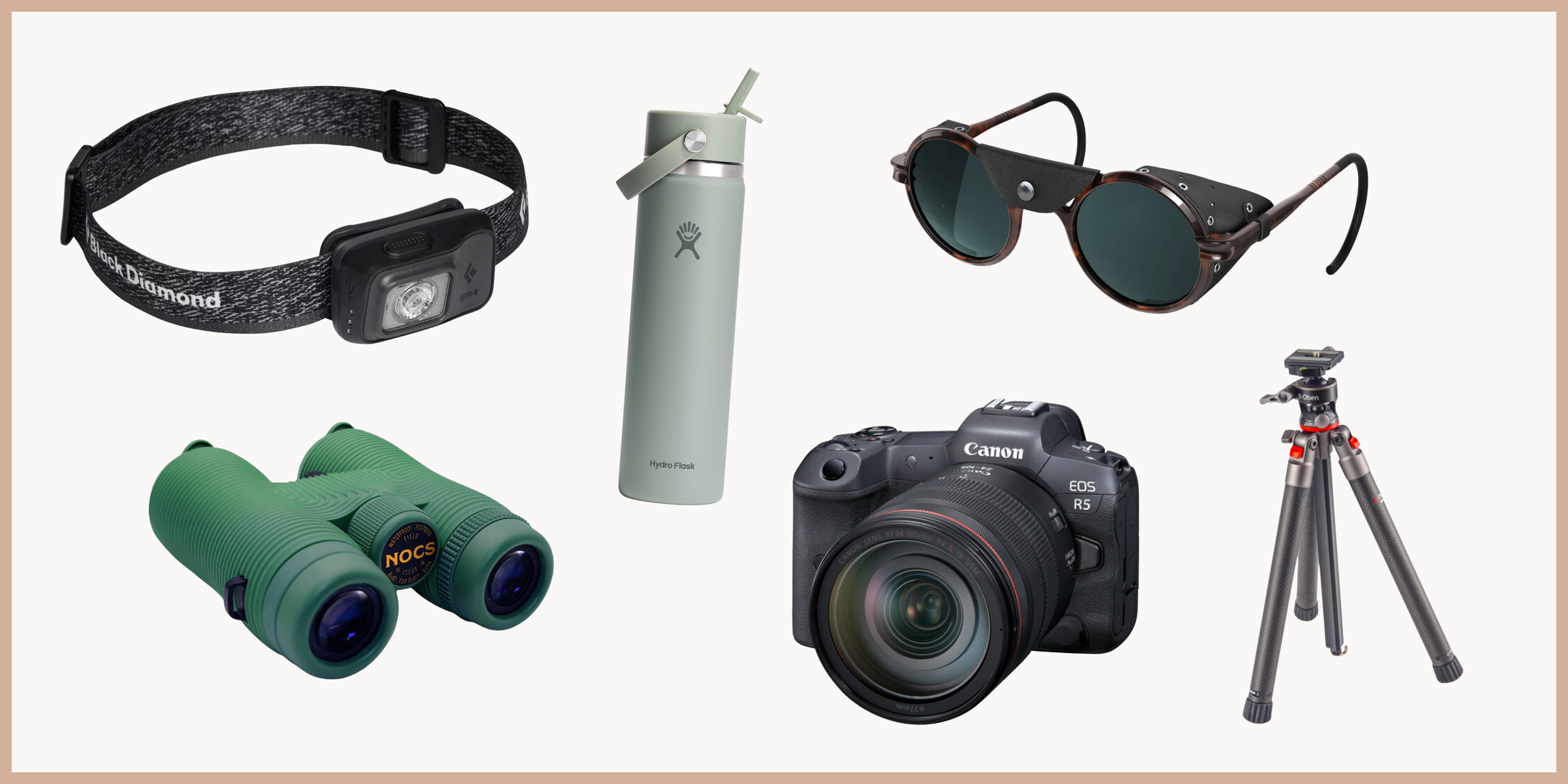
A headlamp (this Black Diamond headlamp is rechargeable!) is going to be your best friend for those mornings or evenings when the cold Alaskan landscape is super dark. The days are quite short in the wintertime, so extra lighting is a must-have. This is a very small item that’s easy to forget about, but it’s actually one of my most-used pieces of gear in the wintertime. PS. If you happen to forget any gear at home, luckily Anchorage is filled with stores like REI where you can grab any items you need!
14. Backup Phone Battery
You might be shocked at how quickly the cold weather drains your phone battery - I know I was. A portable power bank is a complete necessity, especially if you plan to use your phone for things like trail navigation, when you’ll be using it outdoors consistently for an extended period of time.
15. Refillable Water Bottle
Reusable water bottles are obviously great to have any time of year, but you can take it one step further for winter and specifically bring an insulated stainless steel water bottle like this HydroFlask. This way, your water is way less likely to freeze up inside the bottle while you’re out adventuring.
16. Daypack
Another packing list item that is pretty much non-negotiable all year round. That is, if you’re planning on doing any hikes or excursions. But in the winter especially, you’ll want plenty of room in your pack to stash extra layers or accessories like spare handwarmers. My personal favorite daypack is the Gregory Juno 30L pack, and it has been my go-to for years, after trying basically every other brand under the sun. If that’s a little too big for your needs, Gregory also makes a Juno 24L version.
17. Tripod & Camera
I could go on a very long tangent about camera gear for a trip to Alaska, but in an effort to not talk your ear off about my favorite topic, I’ll simply give you my top recommendation for a camera and tripod as a professional photographer who lived full-time in Alaska for years.
A nice mirrorless camera body paired with a zoom lens will be your best friend. Some people will choose to pack a full selection of various zoom lenses (my favorite combo is the Canon 24-70 and the 70-200), but to keep it even simpler with just one camera body and one lens, the best all-around pairing is the Canon R5 with a 24-105mm lens. This covers all of your bases - extra wide shots at 24mm to a fairly close zoom at 105mm. Also, don’t forget your spare camera batteries, since the cold will drain them significantly faster!
This carbon fiber travel tripod is the best tripod I’ve ever owned, and I’ve tried a lot of tripods. You can set it up in basically 10 seconds flat, it’s insanely lightweight, and is a fraction of the cost of the most popular carbon fiber tripods out there.
18. Binoculars
Particularly nice to have if you’re into wildlife spotting or you’re planning on some sort of sightseeing tour excursion. These waterproof Nocs binoculars would be perfect for an Alaska trip. Admittedly I’ve always just used my extra long zoom camera lens as a makeshift monocular, but in recent years I’ve found myself wanting a proper set of binoculars! They’re way easier to carry, and to be totally candid…they’re kind of a whole vibe.
19. Polarized Sunglasses
In addition to the sunlight (when we’re lucky with a somewhat rare sunny day), the glare off the white snowy landscape can be wildly bright. My husband has these unisex polarized Vallon sunglasses and loves them - plus, they look really cool with the leather side shields. On the significantly less expensive side, Goodr polarized sunglasses are always great for adventures when you might not want to risk damaging or losing a super nice pair. I typically wear my favorite pair of Ray-Bans for all occasions.
FAQ
Q: How cold does Alaska get in winter?
A: It really depends on where you're going! Anchorage and southcentral Alaska are honestly “milder” than most people expect - we're typically talking teens to low 30s°F, with the occasional cold snap thrown in. Interior Alaska (Fairbanks, Denali area) is a whole different story - temperatures regularly drop to below zero, and -20°F is not uncommon. Pack for your specific destination, not just "Alaska in winter" as a general concept.
Q: What boots should I wear in Alaska in winter?
A: For activities? Insulated, waterproof boots with a cold-weather rating appropriate for where you're headed. For Anchorage and coastal Alaska, if you have something rated to -20°F, that’s generally plenty. For interior Alaska, go colder. For everyday casual wear (i.e. walking to dinner in town), something like Blundstones or XtraTufs are totally fine and very common.
Q: Is merino wool actually worth the price?
A: Yes! Merino wool is the golden ticket for pretty much everything. And I say that as someone who has purchased and tested a lot of base layers over the years. Merino wool regulates temperature naturally, resists odor (very useful on multi-day adventures), and unlike cotton, keeps its insulating properties even when damp. The Smartwool pieces linked in this post are my personal go-tos and worth every penny for an Alaska winter trip.
Q: Do I need to pack differently for outdoor activities vs. just exploring a city like Anchorage?
A: Sort of, yes. Walking around Anchorage in winter is very manageable with light layering and a good parka. But if you're planning skiing, dog sledding, snowshoeing, or any extended time outdoors, you'll want proper technical outerwear (a hardshell jacket, snow pants, the works). My advice: pack for both scenarios and you'll be covered no matter what the trip throws at you, as long as your luggage space allows for it!
Q: What winter accessories are absolutely non-negotiable for Alaska?
A: Hand warmers (either the classic disposable type or some rechargeable ones will do the trick), a neckwarmer or balaclava for extra wind and snow protection, a good hat that actually covers your ears, and a pair of heavier mittens. A headlamp is also a really smart thing to have on-hand - Alaska winter daylight hours are very limited, especially if you're heading further north.
More Alaska guides:
7 Best Glaciers Near Anchorage, Alaska (And Exactly How to Visit Each One)
13+ Best Things to Do in Talkeetna, Alaska: My Top Picks & Honest Tips
10 Best Things to Do in Seward, Alaska (+ What to Know Before You Go)
13 Best Things to Do During Fall in Alaska (September & October Guide)
Hatcher Pass, Alaska: Things to Do, Best Hikes & My Honest Travel Tips
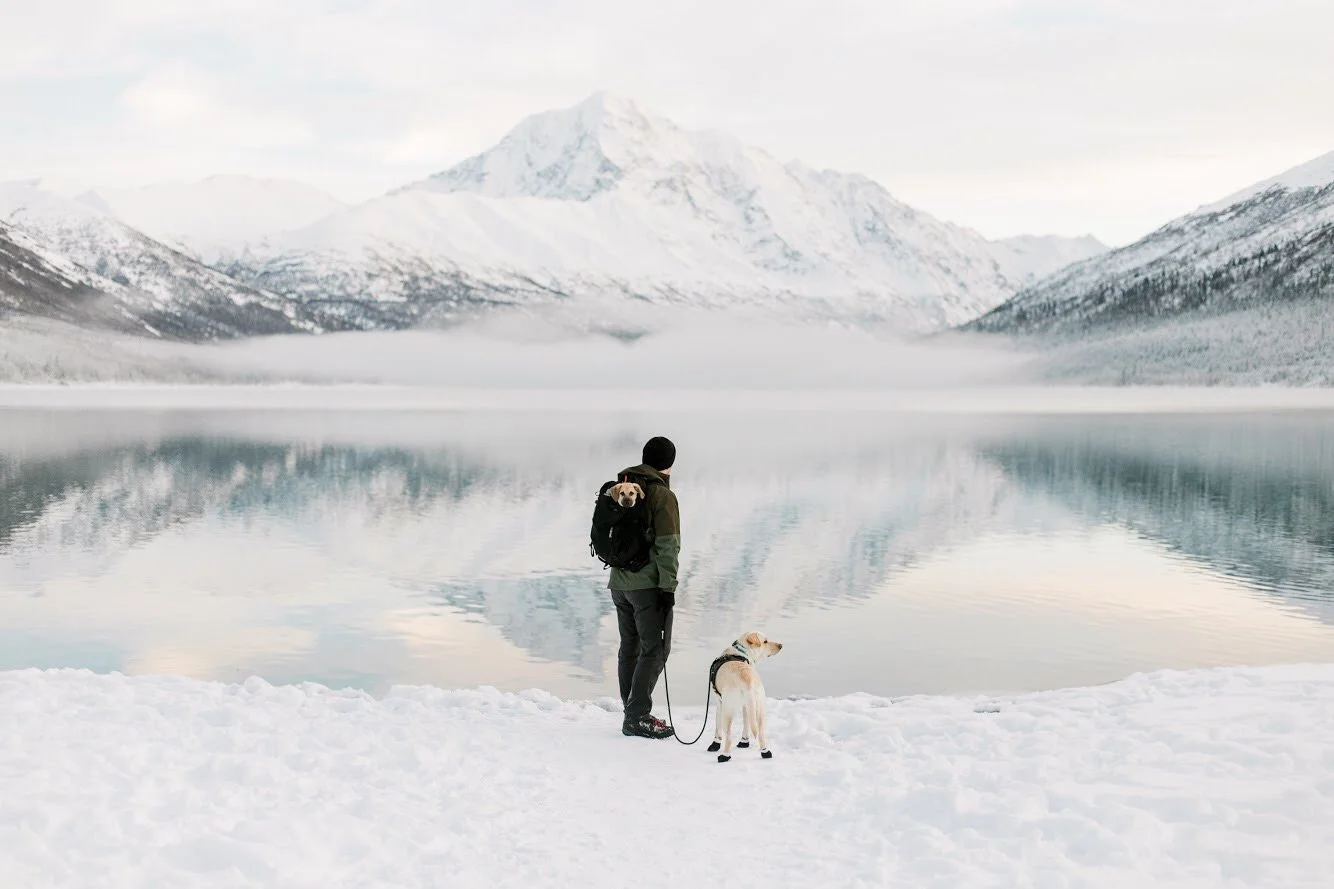
My husband and two dogs at Eklutna Lake in the middle of winter