How I Find Quieter Trails (My Personal Approach to Off-the-Beaten-Path Hiking)
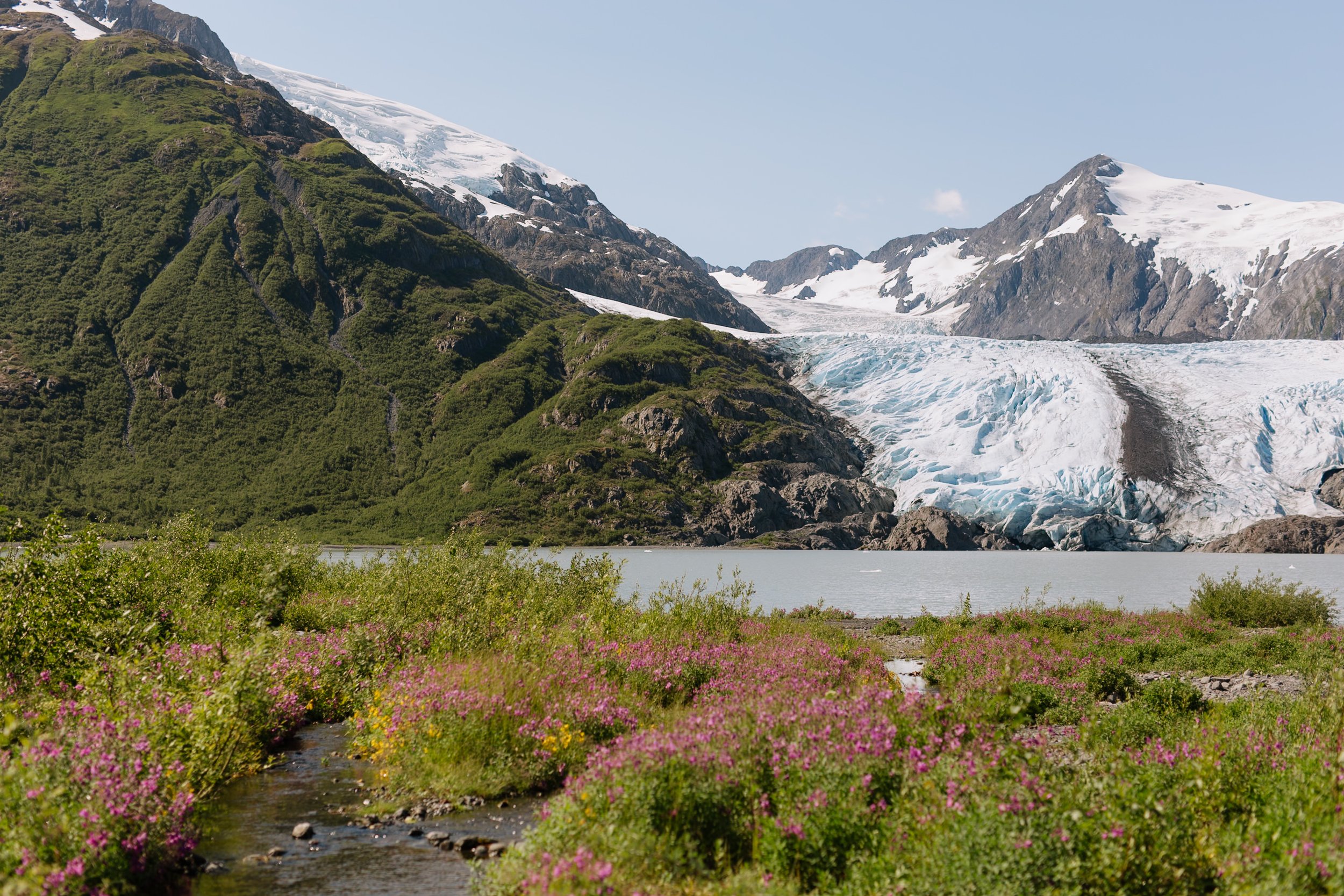
I've hiked in the Dolomites, the Alaska wilderness, the Adirondacks, the French Alps, the Scottish Highlands and beyond - and finding trails that aren't crawling with people is something I've gotten pretty good at. Here's exactly how I do it!
This post may contain affiliate links. That means if you click and buy, I may make a commission at no cost to you. Please see my full disclosure policy for more details.
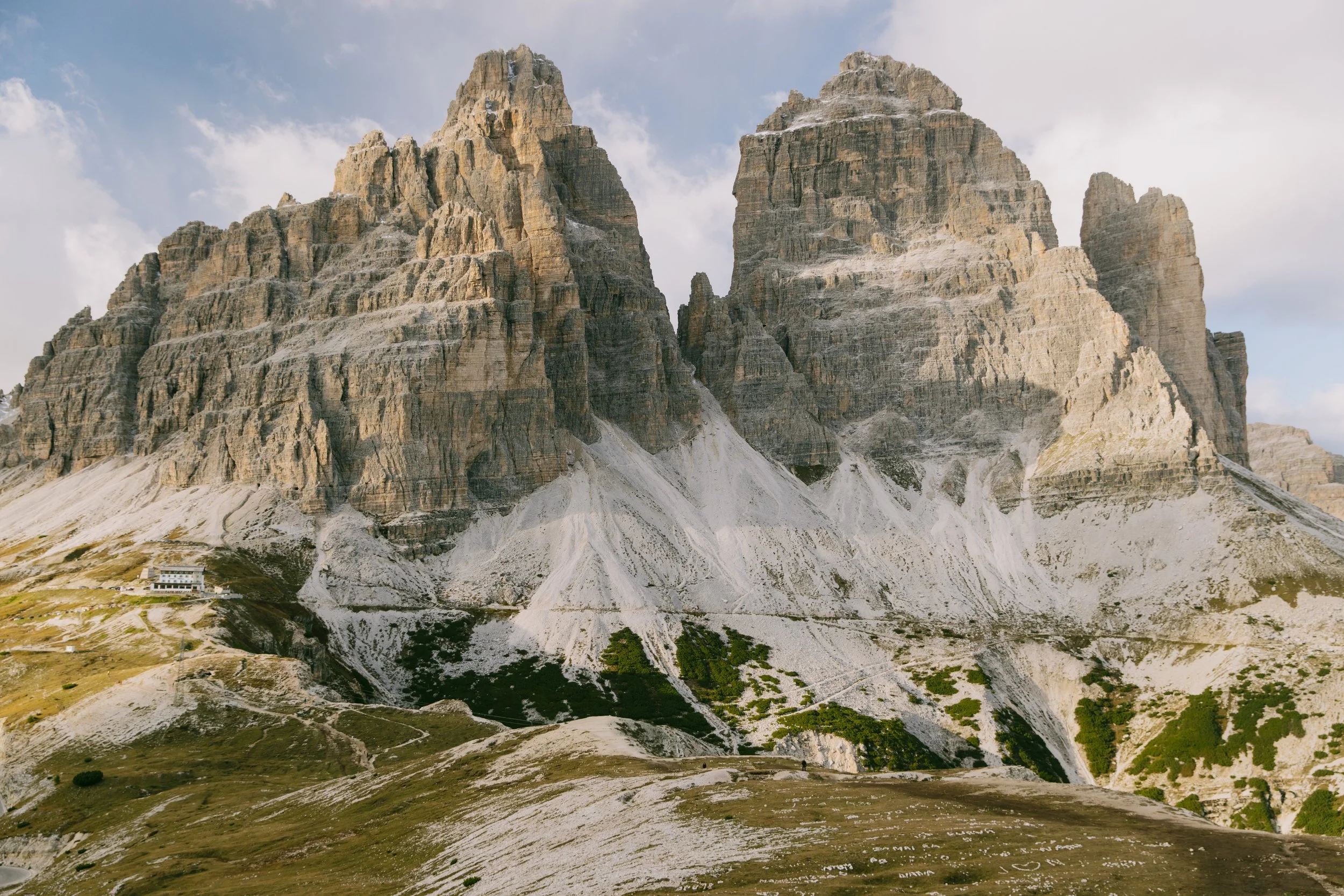
There's a version of hiking that involves standing in a queue at a trailhead, shuffling behind a line of people up a well-worn path, and arriving at a viewpoint that looks exactly like every Instagram photo you've already seen of it. (This is becoming a rampant problem in the Dolomites, for example).
And then there's the other kind - the kind where you find yourself completely alone on a ridge with a view that takes your breath away, and you think: how does nobody know about this?
I've experienced both. The second one is obviously better. And over years of hiking across multiple continents - for personal adventures and as an elopement photographer scouting locations - I've developed a pretty reliable approach to finding the trails that don't show up on the first page of search results. Here's what actually works!
Table of Contents
Introduction
Ask a Local (Not a Tourist)
Scout on Google Earth Before You Go
Use AllTrails - But Don't Stop There
Look for Permit-Required Trails
Go Early - Even If You Hate Mornings
Follow the Difficult Trails
Tips for Staying Safe on Less-Traveled Trails
Final Thoughts
1. Ask a Local (Not a Tourist)
This is my single most reliable method - and the most underused one in the age of everything being Google-able.
I've walked into gear shops in Alaska, outdoor stores in Chamonix, and mountain bike shops in North Carolina and come out with trail recommendations I never would have found online. Locals - especially people who work in outdoor retail - know which trails the regular crowd skips, which hidden viewpoints are worth the extra scramble, and which routes the guidebooks haven't caught up to yet.
The key is asking the right question. "What trail do most people miss?" or "What would you hike if you had a free morning?" gets you much better answers than "What's the best hike nearby?" - which just gets you the same answer Google gives.
Visitor centers, gear shops, hotel staff, rifugio owners, even other hikers you meet on the trail - all of these are underrated resources.
2. Scout on Google Earth Before You Go
Google Earth lets you virtually explore terrain in a way that AllTrails and standard maps simply don't. You can follow ridgelines, look for unmarked paths, identify clearings with potential views, and get a feel for the landscape before you ever set foot on it. I've found multiple trails this way that don't exist on AllTrails - routes that connect two marked trails through terrain that's perfectly hikeable but nobody has written about.
The process: start with the known trails in an area, then zoom out and look at what's around them. Where do the ridgelines go? What's on the other side of that mountain? Is there a path that appears to connect two spots that aren't officially linked? Sometimes the answer is yes, and that path is yours to explore.
A word of caution: always cross-reference with satellite imagery and recent photos before committing to an unmarked route, and make sure you have proper navigation tools. But as a research tool, Google Earth is hard to beat.
3. Use AllTrails - But Don't Stop There
AllTrails is an excellent starting point. I use it constantly. But the trails that show up at the top of AllTrails searches are, by definition, the most popular ones - which is the opposite of what we're looking for here.
The workaround: filter by difficulty, distance, or rating to find trails with fewer reviews. Fewer reviews usually means fewer visitors. A trail with 12 reviews and 4.8 stars is often more interesting than one with 4,000 reviews and 4.6 stars - and considerably less crowded.
Beyond AllTrails: Hiking Project, The Outbound, and area-specific resources like the NPS app for national park trails all have trails that might not appear on AllTrails.
Reddit and local hiking Facebook groups are also incredibly useful - search "[destination] + lesser known hikes" (or similar wording) and you'll often find threads full of local recommendations.
4. Look for Permit-Required Trails
Permit requirements are a great filter. Many people don't bother - they'd rather find something they can do spontaneously. That works in your favor.
Trails that require advance permits are almost always less crowded than comparable permit-free trails, even if the scenery is just as good or better. The extra planning step deters a huge percentage of casual visitors, which means you get a much quieter experience.
Search specifically for permit-required trails in the areas you're visiting. Some national park trails, wilderness areas, and sensitive ecological zones require permits - and these are often the most spectacular routes in the park.
Plan ahead to secure your permit, and note that some come with restrictions on group size, timing, or camping locations.
5. Go Early - Even If You Hate Mornings
I am, by nature, a night owl. Getting up before dawn does not come naturally to me. And I have also never once been disappointed by a sunrise hike. So, I’ll reluctantly (and happily) continue to do them!
The most vivid example: hiking Mount Jo in the Adirondacks before sunrise. Arriving at the trailhead in the dark, starting the climb with a headlamp, reaching the summit just as the light started to wash over the High Peaks - it's one of the most peaceful trail experiences I've ever had. By the time I came back down and got to my car, there was a line of vehicles parked all the way down the access road. It's a completely different trail at 5am versus 9am. Same views, but a completely different experience.
This applies everywhere. The Dolomites, Chamonix, the Adirondacks, Alaska - popular trails at sunrise feel like secret trails. The same trails at 10am feel like tourist attractions. Arriving early is the single highest-return investment you can make in a quieter hiking experience.
A practical tip: download the trail map offline the night before, charge your headlamp, and set everything out so the morning decision-making is minimal. The hardest part is getting out of bed. Once you're moving, you're always glad you did!
6. Follow the Difficult Trails
Longer trails, steeper trails, and trails with significant elevation gain all act as natural filters. Most people looking for a casual outdoor experience self-select out of anything that sounds too hard - which means the most spectacular and remote terrain often has the fewest people on it.
This doesn't mean you need to be an expert hiker to find quiet trails. Even a moderate upgrade in difficulty - choosing a 6-mile trail over a 3-mile trail, or one with 1,500 feet of elevation gain over one with 500 - makes a difference in crowd levels. The extra effort is almost always worth it.
Trails that require a longer approach hike to reach a secondary trailhead, or that connect two points rather than looping back to the same parking lot, also tend to be less crowded. The logistics filter out a lot of casual visitors before they even get started.
Tips for Staying Safe on Less-Traveled Trails
A few things I'd consider non-negotiable when venturing off the standard routes:
Download offline maps. Cell service disappears fast in remote terrain. Downloading your route on AllTrails, Gaia GPS, or Maps.me before you leave means you're never dependent on a signal. Do this the night before, not in the parking lot. Also, on this note: a battery pack for recharging devices is something I never hit the trails without. Imagine your phone dying mid-navigation? No thank you.
Tell someone your plan. Where you're going, which trail, what time you expect to be back. This is especially important on unmarked or less-traveled routes.
Carry a satellite communicator. I have a Garmin InReach Mini and it's saved my peace of mind on more than a few remote hikes. On well-traveled trails you can sometimes count on the fact that other hikers will pass by you if an emergency arises. On a quiet trail at dawn, you can't make the same assumption.
Don't skip the research. The fact that a trail has few reviews doesn't mean it's easy or safe. Read what reviews exist, check recent trip reports, and look at the terrain on satellite imagery before committing.
Pack the essentials. Water (more than you think you need, or a water filter), snacks, a warm layer, a rain jacket, sunscreen, and a first aid kit. The further off the beaten path you go, the more these matter.
Final Thoughts
The trails I remember most aren't always the famous ones. They're the ridge I found by tracing a line on Google Earth that turned out to have views I couldn't believe. The route a gear shop employee in described with his hands because there was no direct AllTrails map for it. The 5am summit that had us completely alone with the sunrise.
Those experiences don't happen by accident. They happen because you put in a little extra research, ask a few more questions, and occasionally set an alarm you're not happy about. Worth it every time.
Happy hiking!
Hiking guides: